Apryle Schneeberger Apryle Schneeberger

Why More Schools Need Space for Emotional Growth

Social-emotional learning is just as important as math or reading and maybe even more so. It teaches students how to understand their feelings, handle conflict, and build better relationships…

Written by Isan

Social-emotional learning is just as important as math or reading and maybe even more so. It teaches students how to understand their feelings, handle conflict, and build better relationships.

Before I joined a program that focused on emotional learning, I didn’t know how to deal with my feelings when I was upset or angry. I would react right away instead of pausing to think. But through the program, I learned to stop, reflect on why I felt a certain way, and calm myself before responding.

One activity that really stood out was when we shared personal stories about times we felt sad or angry. Hearing others talk about their struggles made me realize I wasn’t alone. It also made me more compassionate toward my friends. I learned to really listen when they were upset.

These lessons have changed how I treat others and myself. I’m more patient, more understanding, and better at noticing my emotions before they take over. And I believe this is something every student should have the chance to learn.

If schools made emotional learning a daily part of the curriculum, classrooms would be happier and safer. Students would understand each other more, which could reduce bullying and build stronger communities. It’s not just about creating better students, it’s about helping kids grow into strong, kind, and confident adults.

When students know how to care for their feelings and respect others, they don’t just do better in school. They do better in life. That’s why every school should make space for emotional growth.

Read More
Apryle Schneeberger Apryle Schneeberger

Finding My Voice on Stage

Preparing for the pitch was less about the work itself and more about learning how to lead a group…. That moment taught me something I’ll never forget: when you put in the work, prepare with intention, and speak with confidence, people will listen.

Written by Zach

Preparing for the pitch was less about the work itself and more about learning how to lead a group. This summer taught me valuable leadership skills that I know I’ll use for years to come. I learned that when people get to choose their roles from specific options, they take more ownership of the work. I learned that checking in regularly helps keep everyone on track and prevents resentment from building. And I discovered that when giving feedback, less is more - focusing on one or two key improvements makes people more likely to actually make changes.
At first, balancing my own workload with monitoring my group was overwhelming. I felt stressed carrying the same responsibilities as everyone else while also making sure the project stayed on track. But when I spoke up about it, things shifted. My group started to share the responsibility more evenly, and I realized that part of leadership is being honest about what isn’t working.

When it came time to present last year, I’ll admit I was terrified. Walking into Seneca One and seeing the huge stage made my stomach drop. I kept imagining all the people staring back at me. But the moment I stepped on stage, that fear disappeared. I realized I had spent the whole summer preparing for this, and I was ready.

The pitch was unlike any test or in-class presentation I’d ever done. Tests only measure memorization, and school presentations often feel meaningless - your classmates aren’t really listening, and you know it. The pitch was different. The audience was there because they cared about what we had to say. Their feedback wasn’t just about a grade; it showed me that my voice could have a real impact.

That moment taught me something I’ll never forget: when you put in the work, prepare with intention, and speak with confidence, people will listen.

cover photo credit @getfokusdproductions

Read More
Apryle Schneeberger Apryle Schneeberger

Why I Document Student Innovation

Every photo is a story of connection, kindness, and community.

Written by Lucille, Student Innovator & Media Intern

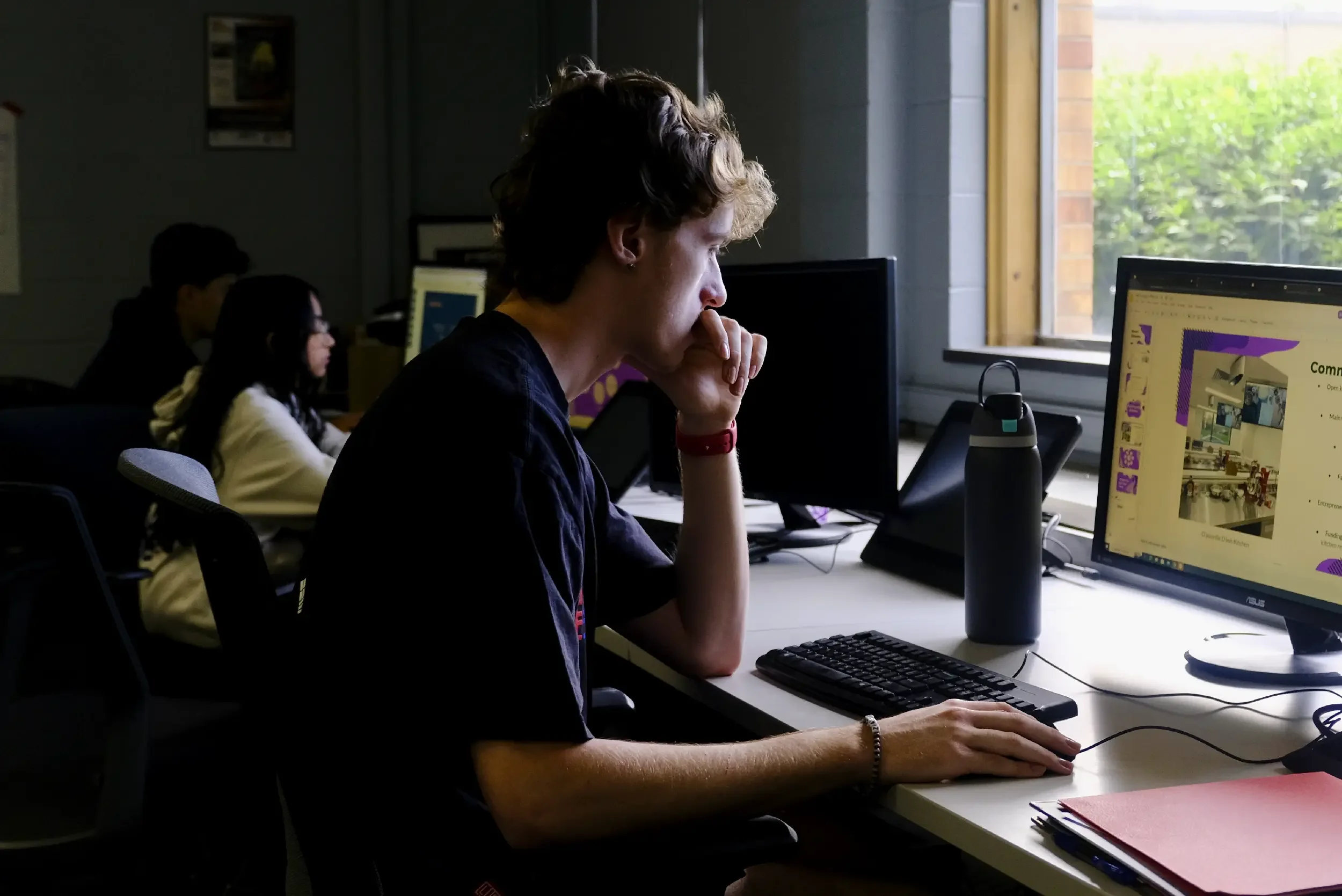
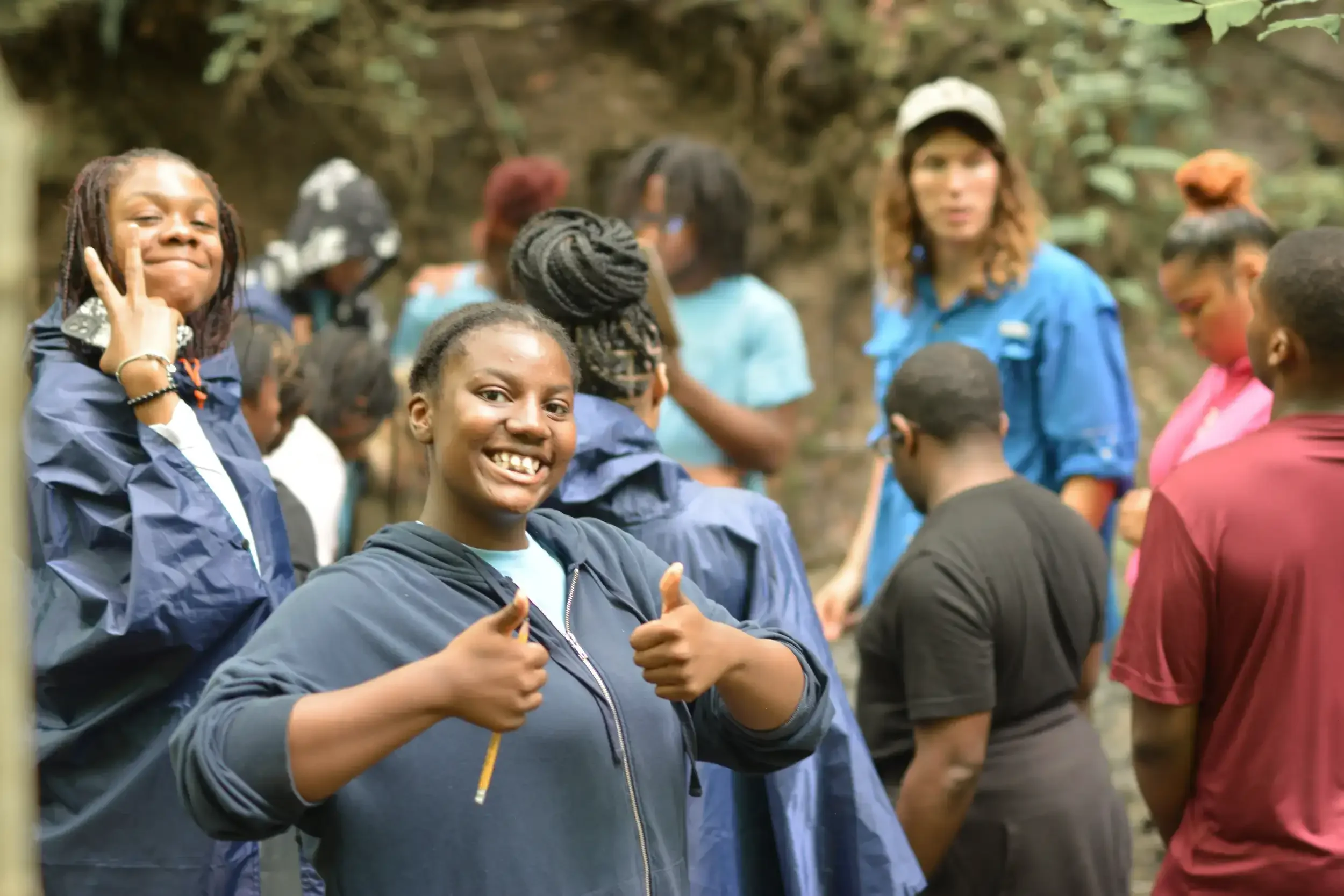
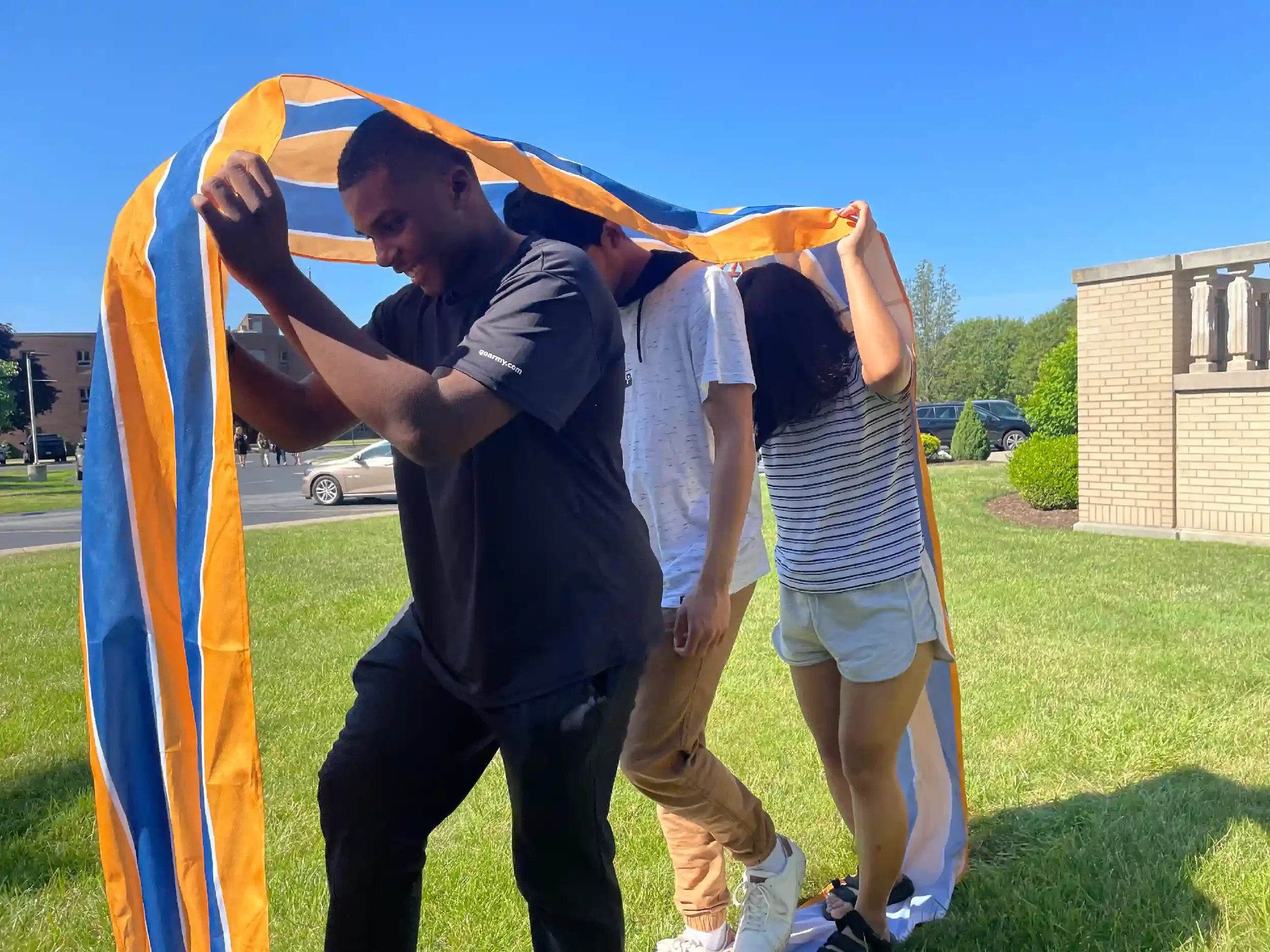
When I am taking photos for the Collaborative Center of Social Innovation, I never forget their core values because they are always being displayed all around me. I see people actively learning and brainstorming ideas to help their community, interacting with their peers and teachers, building meaningful and long-lasting connections. I'm drawn to this program because there are endless opportunities to take impactful photographs that accurately represent the participants. When I'm accompanying the groups on their field trips I'm mainly focused on capturing moments of connection, whether that be the kids understanding the lessons, or their connections with each other.

I tend to stay away from the teaching when photographing a session, as to not distract the students, but also, to take a step back and observe the way that the students socialize among themselves. I pay attention to their conversations, recognize who gets along well and who contributes during lessons. I feel that my closeness in age to the students gives me an advantage as well, as I'm familiar with what they like and can more accurately represent them in a way that they will agree with.

Visual storytelling is so important because without it, moments like these get lost. The Collaborative Center is all about showing people kindness, and I think that message is so much stronger when it is visible that the members within are kind to each other. When people see my photos I hope they feel the connections the students are building, and that they understand that this program not only offers you incredible opportunities to help others, it also offers you opportunities to meet new people and create beneficial relationships.
Read More
Apryle Schneeberger Apryle Schneeberger

What Happens When Students Set the Agenda?

When someone believes in you enough to hand you the reins, you rise to meet the challenge.

Written by Mumtahina, Student Innovator

When students are given real authority and decision-making power, something powerful happens — passion enters the project. It’s the difference between being told what to do and being trusted as an equal.

For me, that moment came when I was elected Treasurer of my school’s community service club. Suddenly, I wasn’t just showing up to meetings — I was helping run them. I was responsible for managing our funds, planning projects to serve the community, deciding what we would sell for fundraisers, brainstorming how to give back, and scheduling our efforts.

It was thrilling. I discovered skills I didn’t even know I had — organizing club fundraising meetings, motivating members, and keeping our plans on track. But I won’t pretend it was all easy. Having the freedom to make decisions meant I also felt the weight of mistakes, even small ones. When it’s your call, it’s personal. Still, I learned something valuable: patience and kindness go a long way. Our members — and especially our club advisor — supported me, encouraged me, and made me feel truly seen. The more effort I put in, the more that appreciation grew.

Through this experience, I realized I love taking initiative. I learned I could trust myself to make sound decisions. And I started to believe something important: if schools trusted students with genuine leadership opportunities more often, we’d be far better prepared for life beyond the classroom. After all, life isn’t just about books, papers, and following instructions.

In the end, I saw firsthand that trust and responsibility go hand in hand. When someone believes in you enough to hand you the reins, you rise to meet the challenge.

One of my proudest moments as Treasurer came at the very end of the school year. I planned a fundraiser — a dunk tank event — where all profits went toward helping the homeless. By the time the last splash hit the water, we had raised $500.

For me, that wasn’t just a fundraiser. It was proof of what can happen when students are trusted to set the agenda.

Read More